
Are you looking for prime commercial real estate investment opportunities in Haverford, PA? Look no further! Our blog is your ultimate resource for uncovering the potential and possibilities that this vibrant city has to offer. From its diverse business landscape to its growing population, Haverford presents a compelling destination for commercial real estate investments. Join us as we delve into the city’s unique features, investment potential, and the exciting opportunities that await you.
Discover Haverford, PA:
Haverford, located in the heart of Pennsylvania, is a city bursting with economic vitality and community spirit. Our blog sheds light on the city’s distinctive characteristics, including its rich history, thriving business scene, and the many amenities that attract residents and businesses alike. As one of the most sought-after locations in the region, Haverford offers a strategic advantage for commercial real estate investments.
Why Haverford is a Prime Investment Destination:
1. Growing Population:
Haverford boasts a steadily growing population, attracting a diverse and dynamic community. With a range of housing options and a high quality of life, the city continues to attract residents seeking a welcoming and convenient place to live and work. This population growth translates into increased demand for commercial services and amenities, creating opportunities for savvy investors.
2. Diverse Business Landscape:
Haverford features a thriving business ecosystem encompassing a wide range of industries. Our blog explores the types of businesses that thrive in the city, from small local enterprises to large corporate headquarters. Whether you’re interested in retail spaces, office buildings, or industrial facilities, Haverford offers a variety of options to match your investment goals.
3. Strategic Location:
Situated in close proximity to major transportation networks and neighboring cities, Haverford provides excellent connectivity and accessibility. Its strategic location, coupled with a strong regional economy, positions it as an ideal hub for business and commerce. This accessibility not only benefits local businesses but also adds value to commercial real estate investments.
4. Supportive Business Environment:
Haverford’s business-friendly policies and supportive local government foster a conducive environment for commercial growth. The city actively encourages and supports entrepreneurship and investment, providing resources and initiatives to help businesses thrive. This commitment to economic development enhances the stability and long-term potential of commercial real estate investments.
Why Commercial Real Estate in Haverford is a Smart Choice:
1. Tangible Asset:
Commercial real estate is a tangible asset that offers long-term value and potential for appreciation. Unlike other investment vehicles, it provides you with a physical property that can generate income and build equity over time.
2. Diversification:
Commercial real estate investments offer diversification benefits by providing an alternative asset class to balance your investment portfolio. This diversification can help mitigate risks and enhance overall returns.
3. Cash Flow and Passive Income:
Commercial properties generate rental income, providing a reliable and potentially passive stream of cash flow. This steady income stream can contribute to your financial stability and long-term wealth-building goals.
4. Potential Tax Benefits:
Investing in commercial real estate can offer various tax benefits, including depreciation deductions, mortgage interest deductions, and potential tax deferral through 1031 exchanges. These benefits can optimize your overall tax strategy and increase the potential returns on your investment.
Conclusion:
Haverford, PA, with its thriving business landscape, growing population, strategic location, and supportive business environment, presents an enticing opportunity for commercial real estate investors. Our blog is dedicated to uncovering the real estate potential in Haverford, providing you with valuable insights, investment strategies, and market trends to help you make informed decisions. Join us as we explore the vibrant opportunities and investment prospects that await you in Haverford Commercial Corner.
- Insulating for Success: The Role of Foam Insulation in Commercial Buildings
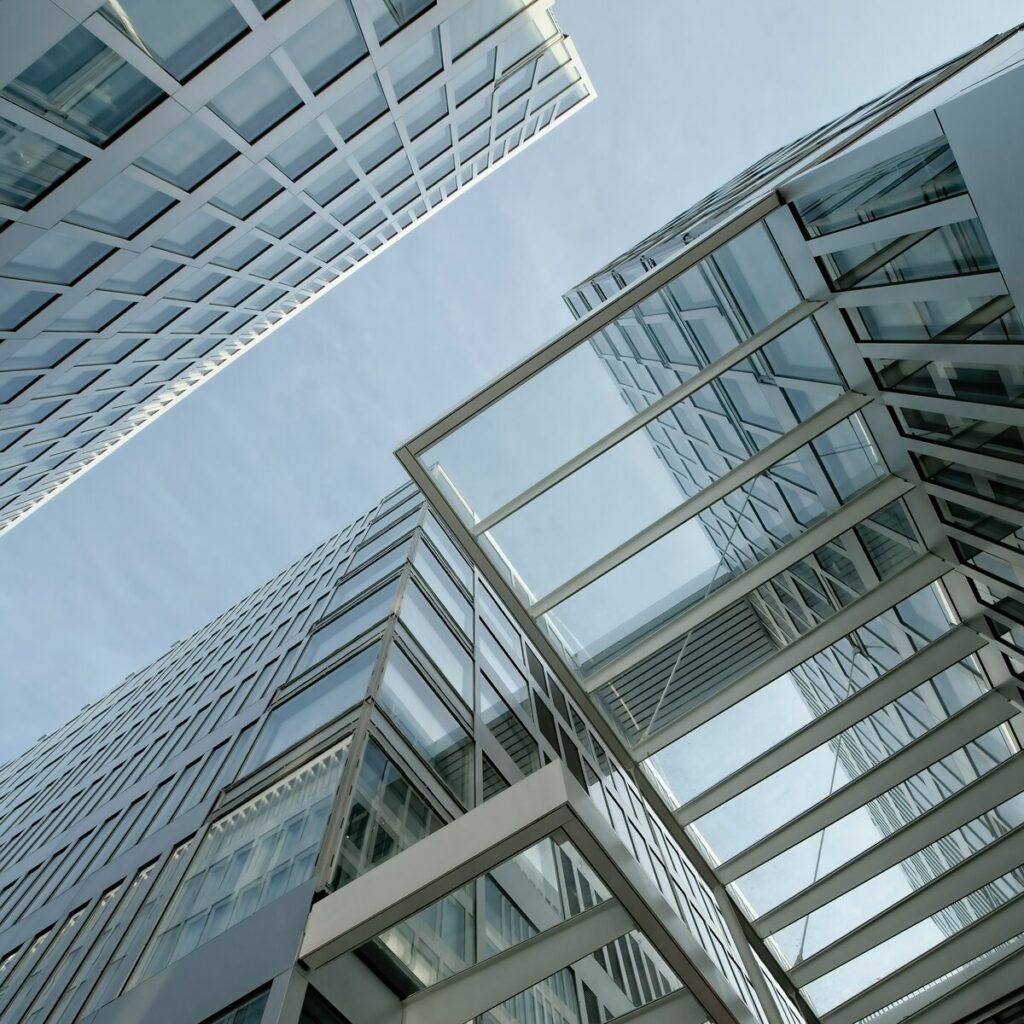
In the world of commercial construction, efficiency, durability, and sustainability are key factors that determine the success of a project. Foam insulation has emerged as a critical component in achieving these goals, offering superior insulating properties that enhance energy efficiency, indoor comfort, and overall building performance. This blog post delves into the benefits of foam insulation for commercial buildings, explores its various applications, and provides practical tips for implementation to maximize its advantages.
The Importance of Foam Insulation in Commercial Buildings
Commercial buildings, whether they are offices, retail spaces, warehouses, or industrial facilities, require robust and reliable insulation solutions to meet their unique demands. Foam insulation, available in spray foam and rigid foam board forms, provides several benefits that make it an ideal choice for these structures.
Energy Efficiency and Cost Savings
One of the most significant advantages of foam insulation is its ability to improve energy efficiency. Foam insulation offers a high R-value per inch, which means it provides excellent thermal resistance. This capability helps maintain consistent indoor temperatures, reducing the need for heating and cooling and leading to substantial energy savings.
Example: A commercial office building insulated with spray foam can significantly reduce its energy consumption, leading to lower utility bills and operational costs. Over time, these savings can offset the initial investment in foam insulation.
Enhanced Comfort and Indoor Air Quality
Maintaining a comfortable indoor environment is crucial for the productivity and well-being of occupants in commercial buildings. Foam insulation creates an airtight seal that prevents drafts, temperature fluctuations, and the infiltration of outdoor pollutants. This results in a more stable and comfortable indoor climate.
Example: In a retail store, spray foam insulation can help keep the space comfortable for both customers and employees, enhancing their overall experience and productivity.
Moisture Control and Mold Prevention
Closed-cell spray foam insulation acts as a moisture barrier, preventing water infiltration and reducing the risk of mold and mildew growth. This is particularly important in commercial buildings, where moisture issues can lead to significant damage and costly repairs.
Example: An industrial facility with closed-cell spray foam insulation in its walls and roof will be better protected against moisture-related problems, ensuring the longevity of the building and the safety of its contents.
Soundproofing
Foam insulation also provides excellent soundproofing capabilities, which is essential for commercial buildings located in noisy environments or those that require privacy and quiet, such as offices and medical facilities.
Example: In a commercial office building, open-cell spray foam insulation in the interior walls can reduce noise transfer between offices and conference rooms, creating a quieter and more conducive work environment.
Applications of Foam Insulation in Commercial Buildings
Foam insulation can be used in various parts of a commercial building to enhance its performance and efficiency. Here are some common applications:
Walls
Both spray foam and rigid foam board insulation can be used in the walls of commercial buildings to create a well-insulated building envelope. Spray foam is particularly effective in sealing gaps and cracks, while rigid foam boards provide continuous insulation and reduce thermal bridging.
Example: Retrofitting an older commercial building with spray foam insulation in the walls can drastically improve its energy efficiency, making it more comfortable and cost-effective to operate.
Roofs and Ceilings
Insulating the roof and ceilings with foam insulation helps maintain consistent temperatures throughout the building and prevents heat loss during winter and heat gain during summer. Spray foam insulation can be applied directly to the underside of the roof deck, creating an airtight seal and improving energy efficiency.
Example: A commercial warehouse with spray foam insulated roofs and ceilings remains energy-efficient, reducing heating and cooling costs and enhancing the overall operational efficiency.
Basements and Crawl Spaces
Foam insulation is ideal for basements and crawl spaces due to its moisture resistance and ability to create an airtight seal. Closed-cell spray foam is particularly effective in these areas, preventing moisture infiltration and reducing the risk of mold growth.
Example: Insulating the walls and floors of a commercial basement with closed-cell spray foam can create a dry, comfortable, and usable space for storage or additional work areas.
Exterior Applications
Rigid foam board insulation can be installed on the exterior of a commercial building’s frame to create a continuous insulation layer. This method reduces thermal bridging and enhances the overall energy efficiency of the building.
Example: A high-rise commercial building with rigid foam board insulation on the exterior walls boasts superior energy performance and reduced heat loss, contributing to lower utility bills and a more comfortable indoor environment.
Practical Tips for Implementing Foam Insulation in Commercial Buildings
To maximize the benefits of foam insulation in commercial buildings, it’s important to follow best practices and ensure proper installation:
Choose the Right Type of Foam
Select the appropriate type of foam insulation based on the specific needs of the project. Open-cell spray foam is ideal for interior applications and soundproofing, while closed-cell spray foam and rigid foam boards are better suited for areas requiring high R-values and moisture resistance.
Tip: Consult with a professional insulation contractor to determine the best type of foam insulation for your commercial building.
Ensure Proper Installation
Proper installation is crucial for maximizing the benefits of foam insulation. Hire experienced and certified installers who understand the intricacies of applying spray foam and installing rigid foam boards.
Tip: Request references and check reviews to find reputable insulation contractors with a proven track record of quality work.
Consider Building Codes and Regulations
Ensure that the foam insulation products and installation methods comply with local building codes and regulations. This is important for both safety and energy efficiency.
Tip: Work with contractors who are familiar with local building codes and can ensure compliance throughout the project.
Plan for Ventilation
While foam insulation creates an airtight seal, proper ventilation is still necessary to maintain indoor air quality. Plan for adequate ventilation systems to prevent issues related to air quality and moisture.
Tip: Consider installing mechanical ventilation systems, such as heat recovery ventilators (HRVs), to ensure a healthy indoor environment.
Real-World Examples of Commercial Buildings with Foam Insulation
Office Complex
A large office complex in Chicago used closed-cell spray foam insulation in its walls, roof, and basement. This not only provided excellent thermal insulation and moisture protection but also reinforced the structural integrity of the building. The result was a highly energy-efficient, comfortable, and durable office environment that reduced operational costs and improved employee satisfaction.
Retail Center
A retail center in Los Angeles benefited from open-cell spray foam insulation in its interior walls and ceilings. This application provided superior soundproofing, ensuring a quiet and pleasant shopping experience for customers. The insulation also improved the center’s energy efficiency, making it a desirable and cost-effective commercial space for retailers.
Industrial Facility
An industrial facility in Houston used closed-cell spray foam insulation in its exterior walls and roof. This approach protected the facility from the humid, salty air and provided excellent thermal insulation. The facility remained cool and comfortable during hot summers and warm in the winter, offering a productive working environment year-round.
Conclusion
Foam insulation is a game-changer in the construction and renovation of commercial buildings. Its superior insulating properties, combined with benefits like enhanced comfort, noise reduction, and environmental responsibility, make it an essential component of modern commercial construction. Whether used in walls, roofs, basements, or exterior applications, foam insulation provides long-lasting benefits that elevate the performance, efficiency, and value of commercial buildings. By understanding the different types of foam insulation and following best practices for installation, property owners and builders can create energy-efficient, comfortable, and sustainable commercial spaces that stand the test of time. As the demand for efficient and sustainable buildings continues to grow, foam insulation will play a pivotal role in shaping the future of commercial construction.
- Building Haverford’s Future: The Role of Concrete Construction in Commercial Properties

Haverford, Pennsylvania, is a town known for its rich history, picturesque landscapes, and vibrant community. As the town continues to grow and modernize, the demand for durable, sustainable, and aesthetically pleasing commercial properties has increased. Concrete construction has emerged as a preferred choice for building these commercial properties, offering a range of benefits that align with Haverford’s development goals. This blog post explores the advantages of concrete construction for commercial properties in Haverford, PA, the current trends, and the impact on the town’s growth and economy.
The Advantages of Concrete Construction in Commercial Properties
Concrete construction offers numerous advantages for commercial properties, making it an ideal choice for developers and business owners in Haverford.
Durability and Longevity
Concrete is renowned for its strength and durability. Commercial buildings constructed with concrete can withstand the test of time, resisting wear and tear from heavy use, weather conditions, and other external factors. This longevity reduces the need for frequent repairs and replacements, providing long-term cost savings for property owners.
Fire Resistance
Safety is a paramount concern for any commercial property. Concrete is non-combustible and can act as an effective fire barrier, significantly enhancing the safety of buildings. This fire resistance can lead to lower insurance premiums and increased peace of mind for business owners and tenants.
Energy Efficiency
Concrete’s thermal mass properties allow it to absorb and store heat, helping to regulate indoor temperatures. This natural insulation can reduce the reliance on heating and cooling systems, leading to lower energy consumption and utility costs. In an era where sustainability is increasingly important, energy-efficient buildings are highly attractive to businesses and tenants.
Sound Insulation
Concrete construction provides excellent sound insulation, which is crucial for commercial properties in bustling areas. This soundproofing enhances the comfort of occupants by minimizing noise from traffic, neighboring businesses, and other external sources. For office buildings, retail spaces, and hospitality venues, this feature is particularly valuable.
Current Trends in Concrete Construction for Commercial Properties
The construction industry is constantly evolving, with new technologies and methodologies enhancing the capabilities of concrete construction. Several trends are shaping the future of commercial properties in Haverford.
Sustainable Building Practices
Sustainability is a major focus in modern construction. Developers are increasingly incorporating eco-friendly materials and practices into their projects. In concrete construction, this includes using recycled aggregates, low-carbon concrete mixes, and green building certifications such as LEED (Leadership in Energy and Environmental Design). These practices not only reduce environmental impact but also appeal to eco-conscious businesses and consumers.
Prefabrication and Modular Construction
Prefabrication and modular construction techniques are gaining popularity in the commercial sector. These methods involve manufacturing building components off-site and assembling them on-site, significantly reducing construction time and costs. For concrete construction, this approach ensures high-quality control and minimizes waste. Prefabricated concrete elements can be used for various applications, including walls, floors, and structural supports.
Advanced Concrete Technologies
Innovations in concrete technology are enhancing the performance and versatility of this material. Self-healing concrete, for example, can automatically repair small cracks, extending the lifespan of buildings. High-performance concrete mixes offer superior strength and durability, while lightweight concrete reduces the load on structural elements. These advancements allow for more creative and efficient designs in commercial construction.
The Impact of Concrete Construction on Haverford’s Growth
The use of concrete in commercial construction is playing a significant role in Haverford’s growth and development, influencing the local economy, community, and environment.
Economic Growth
The construction of durable and efficient commercial properties attracts businesses and investors to Haverford, stimulating economic growth. New office buildings, retail spaces, and mixed-use developments create job opportunities and boost local commerce. The presence of modern, well-constructed buildings also enhances the town’s appeal to potential residents and tourists.
Community Development
Concrete construction supports community development by providing high-quality, safe, and functional spaces for businesses and public services. From schools and healthcare facilities to shopping centers and entertainment venues, these buildings serve as vital hubs for community activities. The resilience and low maintenance requirements of concrete structures ensure that these facilities remain reliable and accessible for years to come.
Environmental Benefits
Sustainable concrete construction practices contribute to Haverford’s environmental goals. Energy-efficient buildings reduce the town’s overall carbon footprint, while the use of recycled materials and eco-friendly techniques conserves natural resources. These efforts align with broader sustainability initiatives, promoting a healthier and more sustainable community.
Case Studies: Concrete Commercial Properties in Haverford
Several notable commercial properties in Haverford exemplify the benefits and impact of concrete construction.
Haverford Business Center
The Haverford Business Center is a prime example of a modern, energy-efficient office building constructed with concrete. The building features advanced insulation and energy management systems, reducing operational costs and environmental impact. Its durable construction ensures long-term performance, making it an attractive option for businesses seeking reliable office space.
Haverford Retail Plaza
The Haverford Retail Plaza showcases the versatility of concrete construction in a commercial setting. The plaza’s design incorporates large, open spaces and high ceilings, providing a welcoming atmosphere for shoppers. The concrete structure offers excellent sound insulation, enhancing the shopping experience by minimizing noise from adjacent stores and external traffic.
Haverford Community Center
The Haverford Community Center serves as a hub for local events and activities. Its concrete construction provides the durability and safety needed for a high-traffic public facility. The building’s energy-efficient design and sustainable materials demonstrate Haverford’s commitment to environmental stewardship, making it a model for future community projects.
Tips for Investing in Concrete Commercial Properties
For investors considering concrete commercial properties in Haverford, several strategies can help maximize returns and ensure successful investments.
Research the Market
Understanding the local real estate market is crucial for making informed investment decisions. Research current trends, property values, and demand for commercial spaces in Haverford. Engaging with local real estate experts and attending community meetings can provide valuable insights into the market dynamics.
Prioritize Quality Construction
Investing in high-quality concrete construction ensures long-term durability and lower maintenance costs. Work with reputable developers and contractors who have a track record of successful projects. Inspect properties thoroughly to assess their condition and identify any potential issues.
Focus on Sustainability
Sustainability is a growing priority for businesses and consumers. Investing in energy-efficient, environmentally friendly buildings can enhance the marketability of your property and attract high-quality tenants. Consider certifications such as LEED to demonstrate your commitment to sustainable practices.
Leverage Technology
Utilize property management software and advanced building technologies to streamline operations and enhance tenant experiences. Smart building systems, for example, can optimize energy usage and improve security, adding value to your investment.
Conclusion
Concrete construction is playing a pivotal role in shaping the future of commercial properties in Haverford, PA. Its durability, energy efficiency, and resilience make it an ideal choice for modern developments. As the town continues to grow and evolve, concrete commercial properties will remain a cornerstone of its economic and community development. By embracing sustainable practices and leveraging advanced technologies, investors can maximize the benefits of concrete construction and contribute to Haverford’s vibrant and sustainable future.
- Constructing Profitability: Ensuring Excellence in Commercial Real Estate Investments
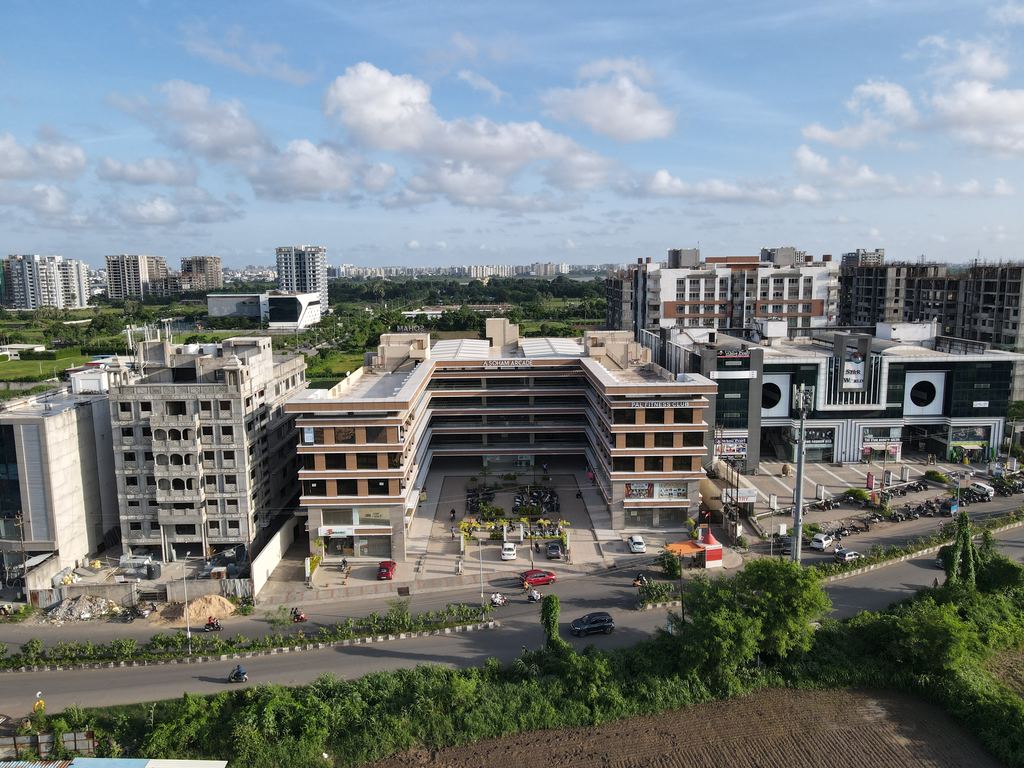
Foundations of Success: Robust Concrete Constructions
The success of any commercial real estate venture pivots crucially upon the robustness of its physical infrastructure. Employing top-tier concrete construction ensures not only the longevity of the structure but also establishes a dependable foundation upon which prosperous businesses can thrive and expand.
Preserving Integrity: The Role of Spray Foam Insulation in Commercial Properties
Securing the internal environment of commercial properties is paramount to safeguarding the assets and ensuring a comfortable space for businesses to operate. Implementing high-quality spray foam insulation is pivotal to maintain optimal temperature, minimize energy consumption, and contribute towards the longevity and sustainability of the property, enhancing its appeal and utility for potential lessees.
Enhancing Aesthetics and Safety: Stump Grinding for Pristine Commercial Spaces
Outdoor spaces of commercial properties play a vital role in shaping first impressions and ensuring safety for all who tread upon them. Professional stump grinding services refine the aesthetic and functional aspect of these spaces, mitigating potential hazards and contributing to the creation of an immaculate, professional, and inviting environment.
Concluding Thoughts: Realizing Lucrative Returns Through Strategic Investments
Commercial real estate ventures, when fortified by meticulous planning and superior implementation of construction and maintenance services, pave the way towards lucrative returns. From the foundational sturdiness enabled by excellent concrete work, preserving interior integrity through impeccable insulation, to maintaining an impeccable exterior through professional landscaping services – each aspect meticulously constructs a path towards a prosperous and sustainable investment future in commercial real estate.
©2023 Commercial Real Estate Investments. All Rights Reserved.
- Commercial Property Inspections: Detecting and Addressing Pest Issues

Commercial property inspections serve a critical role in maintaining the integrity, safety, and value of business premises. Among the myriad issues that can affect commercial properties, one challenge that requires a proactive approach is pest infestations. This blog post discusses the importance of detecting and addressing pest issues in commercial properties and provides practical tips for keeping business premises pest-free.
Understanding the Impact of Pests
Pests can pose a significant threat to commercial properties. Rodents can gnaw on electrical wires, creating fire hazards, while termites can weaken structural elements. Cockroaches and rodents can spread diseases, posing health risks and potentially leading to business closures or litigation. Further, pests can harm a company’s reputation, leading to lost business. Thus, an effective pest management strategy is crucial.
The Role of Commercial Property Inspections
Regular commercial property inspections play a crucial role in pest management. Trained inspectors can identify signs of pest activity, such as droppings, gnaw marks, termite mud tubes, or insect wings. They can also spot potential entry points for pests or conditions that might attract them, such as water damage, clutter, or improperly stored food.
The Importance of Professional Pest Inspectors
While regular maintenance staff can handle many issues, professional pest inspectors bring specific expertise. They understand the behaviors of various pests, know where to look for signs of infestations, and are up-to-date on the latest pest management techniques. A qualified pest inspector can also provide a comprehensive report detailing their findings, which can be crucial for insurance or regulatory purposes.
Addressing Identified Pest Issues
If a pest issue is detected during an inspection, it’s crucial to act promptly. Depending on the nature and extent of the problem, this might involve:
- DIY measures: For minor pest problems, it may be possible to handle the issue internally. This could involve sealing up access points, removing food sources, or using over-the-counter pest control products.
- Professional pest control services: For larger infestations or certain types of pests (like termites), it’s usually best to hire a professional pest control service. They can provide a targeted, effective treatment and offer advice on preventing future infestations.
- Structural repairs or modifications: If pests have caused damage to the property, or if they’re gaining access through structural defects, repairs or modifications may be needed.
Preventive Measures
Prevention is always better than cure when it comes to pest control. Businesses can take several preventive measures:
- Regular maintenance: Routine property maintenance can prevent many pest problems. This includes keeping the premises clean, promptly fixing leaks or water damage, sealing gaps and cracks, and maintaining landscaping to prevent pests from gaining access to the building.
- Employee education: Employees should be educated about pest prevention, such as proper food storage and waste disposal practices. They should also be encouraged to report any signs of pests.
- Regular inspections: As noted above, regular property inspections can identify pest issues before they become significant problems.
Conclusion
Pests can cause serious problems for businesses, but with regular inspections, professional pest management, and preventive measures, these issues can be effectively addressed. By taking a proactive approach to pest control, businesses can protect their premises, their employees, and their reputation. Whether you’re a business owner, property manager, or facility supervisor, understanding the role of commercial property inspections in detecting and addressing pest issues is crucial for maintaining a safe and healthy business environment.
- Attracting and Retaining Tenants for Your Commercial Property: A Comprehensive Guide
Introduction:
Finding and retaining tenants for your commercial property is essential for ensuring a stable and profitable investment. As a commercial property owner or manager, you want to attract reputable tenants who will contribute to the success of your property. In this blog post, we’ll explore effective strategies for finding and keeping tenants, from marketing your property to fostering strong tenant relationships and providing exceptional customer service.
Finding Quality Tenants:
1. Market Your Property Effectively:
Create an enticing marketing campaign to showcase the unique features and benefits of your commercial property. Utilize various channels such as online listings, social media, local publications, and real estate networks to reach potential tenants. Highlight key selling points, such as location, amenities, accessibility, and any special incentives or lease terms.
2. Target Your Audience:
Identify your target tenant market based on the property’s location, size, and features. Tailor your marketing efforts to attract businesses or organizations that align with the property’s purpose. For example, if your property is in a tech hub, focus on attracting tech startups or companies seeking innovation-friendly spaces.
3. Engage with Real Estate Professionals:
Collaborate with local commercial real estate agents, brokers, and leasing professionals who have connections and expertise in the market. Their knowledge and networks can help identify potential tenants and facilitate lease negotiations.
4. Enhance Curb Appeal:
Invest in curb appeal by maintaining the property’s exterior, landscaping, and signage. A well-maintained and visually appealing property can attract attention and leave a positive first impression on potential tenants. Are you in an industrial area where a good pressure washing service is going to be needed? Or are you more rural where you will need to find a good tree service to keep the curb appeal of your investment up?
Retaining Tenants:
1. Provide Exceptional Customer Service:
Good tenant relationships start with exceptional customer service. Be responsive to tenant inquiries, promptly address maintenance requests, and ensure clear and open lines of communication. Regularly check in with tenants to assess their satisfaction and address any concerns proactively.
2. Maintain Property Quality:
Regularly maintain and upgrade the property to ensure it remains in top condition. Conduct routine inspections, address maintenance issues promptly, and invest in necessary upgrades or renovations. A well-maintained property demonstrates your commitment to providing a high-quality space for tenants.
3. Foster a Sense of Community:
Promote a sense of community within the property by organizing tenant events, networking opportunities, or shared amenities. Encourage collaboration and interaction among tenants to create a vibrant and supportive environment. This can contribute to tenant satisfaction and increase their likelihood of renewing leases.
4. Flexible Lease Terms:
Consider offering flexible lease terms that accommodate tenants’ evolving needs. This may include options for expansion or contraction of space, longer lease terms for stability, or shorter-term leases for businesses with fluctuating demands.
5. Incentives and Rewards:
Provide incentives or rewards for long-term tenants, such as lease renewal discounts or exclusive access to amenities or services. Recognize and reward tenant loyalty to foster a positive and mutually beneficial relationship.
Conclusion:
Finding and keeping tenants for your commercial property requires a strategic and proactive approach. By effectively marketing your property, targeting the right audience, engaging with real estate professionals, and enhancing curb appeal, you can attract quality tenants. To retain tenants, focus on providing exceptional customer service, maintaining property quality, fostering a sense of community, offering flexible lease terms, and providing incentives and rewards for tenant loyalty.
Remember, tenant retention is as important as tenant acquisition. Building strong relationships with your tenants, prioritizing their needs, and creating a positive tenant experience will increase tenant satisfaction, minimize vacancies, and contribute to the long-term success and profitability of your commercial property.